Where to Put a Dog Crate for a Calm, Settled Dog

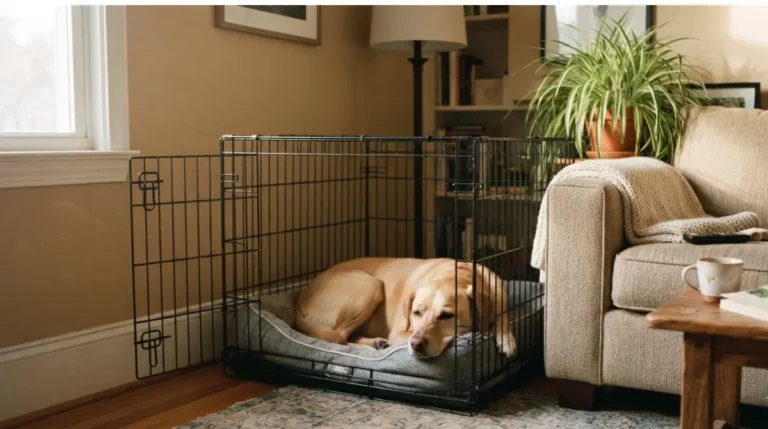
Where to put a dog crate depends on the hour: close to family by day, beside your bed at night, and never beside a radiator or a tangle of cords.

 BySameer Patel
Last Updated:
Where to put a dog crate depends on the hour: close to family by day, beside your bed at night, and never beside a radiator or a tangle of cords.
 BySameer Patel
Last Updated:
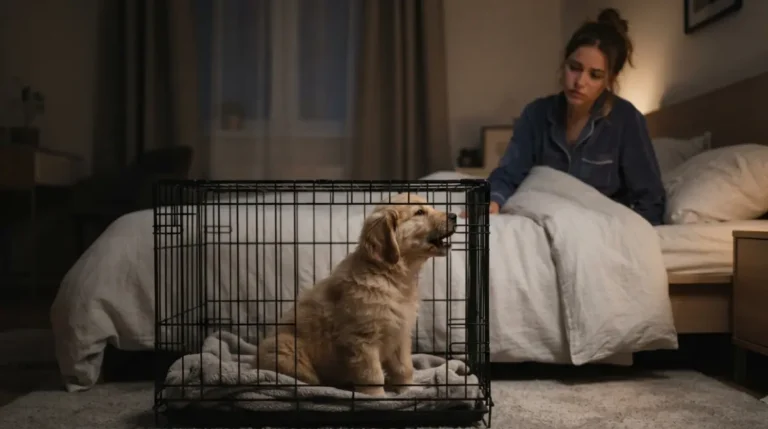
Crate training an apartment puppy? Barking that becomes a nuisance breaches most leases, so start with a bedroom crate, a slow pace, and a neighbor note.
 ByShivani Dubey
Last Updated:
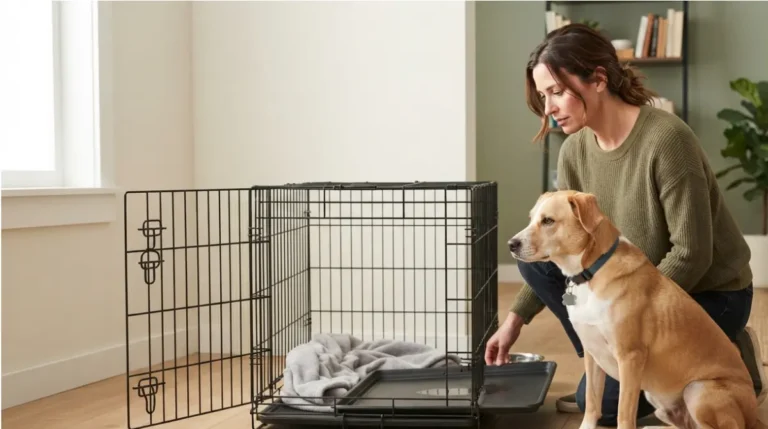
Housetrained dog suddenly peeing in the crate? Book a vet visit first. For puppies, compare crate time with Penn Vet and ASPCA hold limits.
 BySameer Patel
Last Updated:
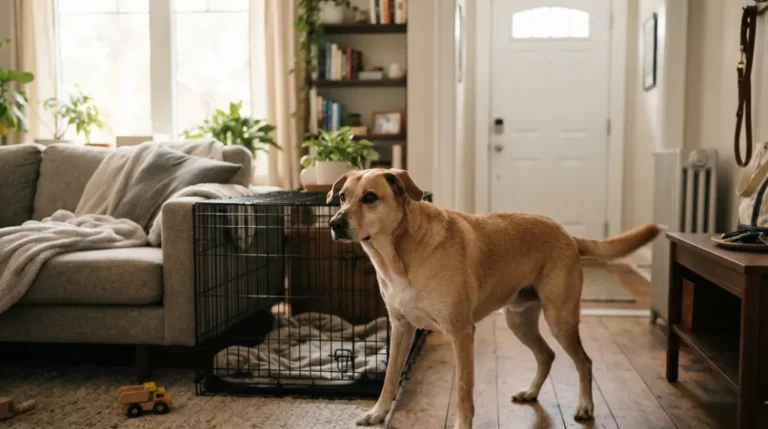
Crate separation anxiety or plain crate fear? Separation anxiety signs are often worst in the first 15–30 minutes alone. Here’s how to tell them apart.
 BySameer Patel
Last Updated:
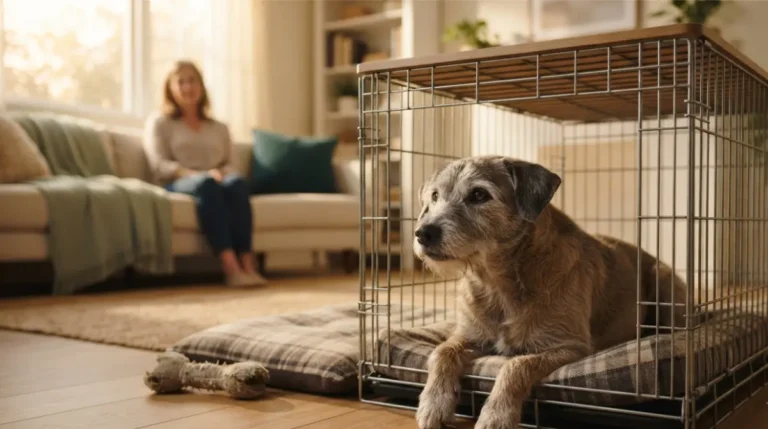
Senior dog crate training starts with comfort: non-slip footing and supportive bedding, then short reward-based steps paced to what sore joints allow.
 BySameer Patel
Last Updated:
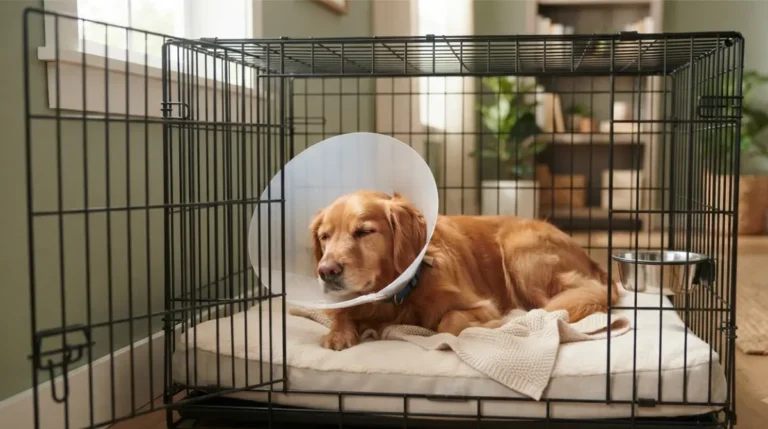
Crate rest after surgery feels harder once your dog seems fine. Here’s the setup, the potty-trip routine, and the signs that mean call your vet.
 ByShivani Dubey
Last Updated:
New to the crate, or crated too long in a past home? An older dog starts with open-door meals, and the door opens only after 3 seconds of quiet.
 BySameer Patel
Last Updated:
Crash tested dog crates aren’t all independently certified. CPS has certified nine sizes from four brands; the test dog weight decides which fits yours.
 ByRenuka
Last Updated:
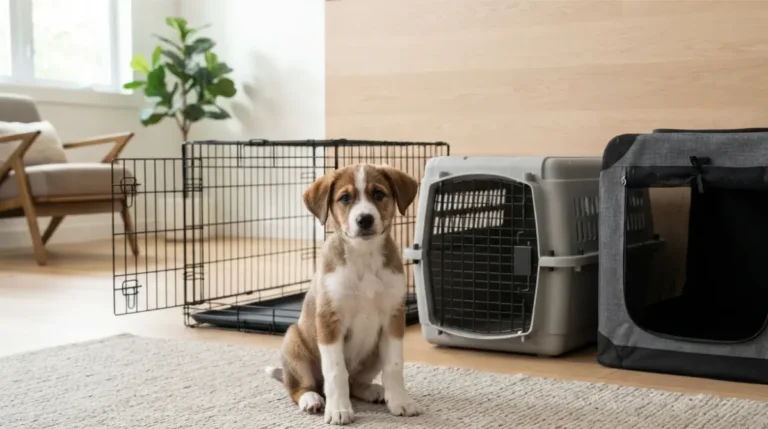
Wire crate or plastic kennel? A divider suits a growing puppy at home, the cargo hold needs a rigid kennel, and a wire crate gives little crash protection.
 BySameer Patel
Last Updated:
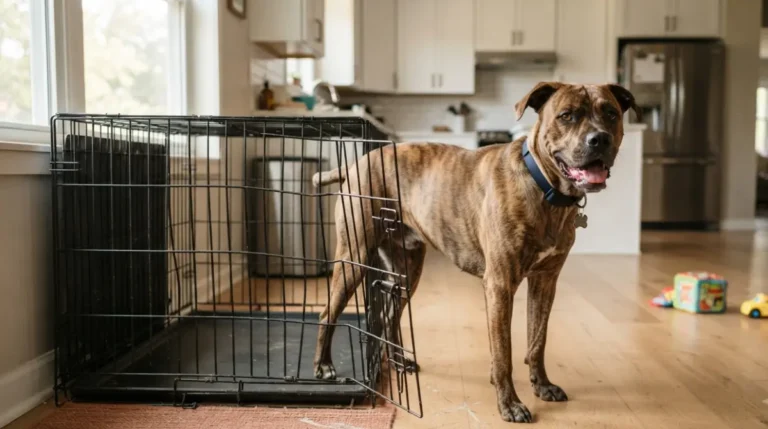
Escape proof dog crates don’t fix every escape artist. Learn to tell a strong dog from a panicking one, plus the 4 features that make a crate hold.