Can a Cane Corso live in an apartment? What decides it

A Cane Corso puppy of 8 to 10 weeks needs to go out about hourly, so a walk-up means many stair trips. Size, stairs and hallways for apartment life.

 ByShivani Dubey
Last Updated:
A Cane Corso puppy of 8 to 10 weeks needs to go out about hourly, so a walk-up means many stair trips. Size, stairs and hallways for apartment life.
 ByShivani Dubey
Last Updated:
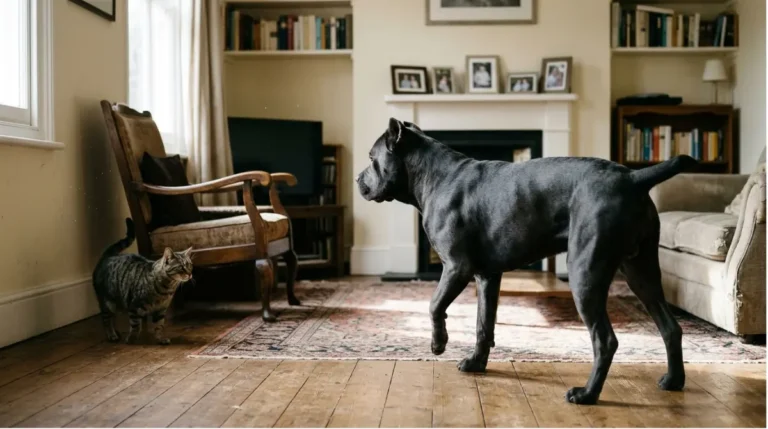
A Cane Corso’s odds with a cat depend on age, cat history and who arrived first. Adult males stand up to 27½ inches, so check gates before day one.
 ByShivani Dubey
Last Updated:
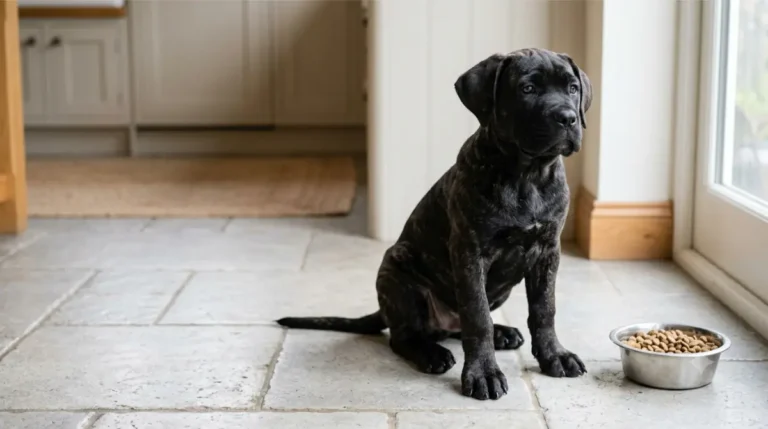
Feeding a Cane Corso puppy starts with the bag: pick the line for an 88–110 lb adult, split it into two or more meals, and count treats as food.
 ByShivani Dubey
Last Updated:
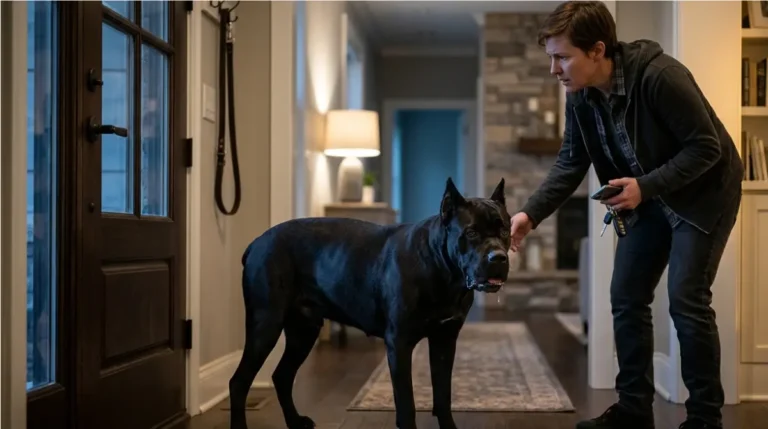
A Tufts review lists the Cane Corso among breeds reported susceptible to bloat. Signs to act on, a night plan for a heavy dog, and gastropexy timing.
 ByShivani Dubey
Last Updated:
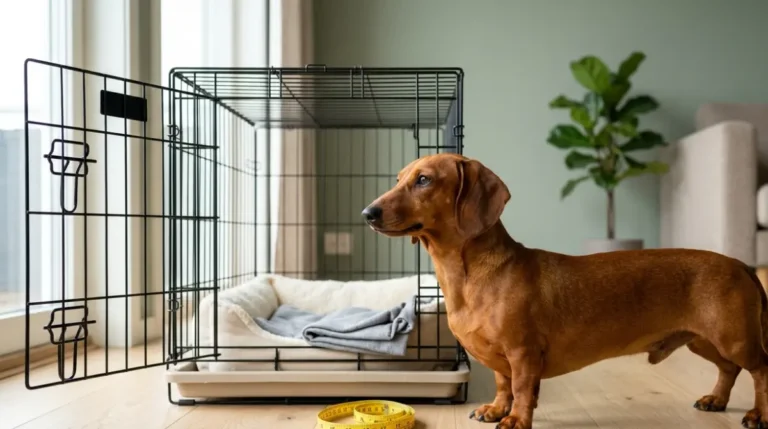
Crate size for dachshunds and corgis comes from body length. A Cardigan at the top of its standard works out to 22.5 inches from breastbone to hip.
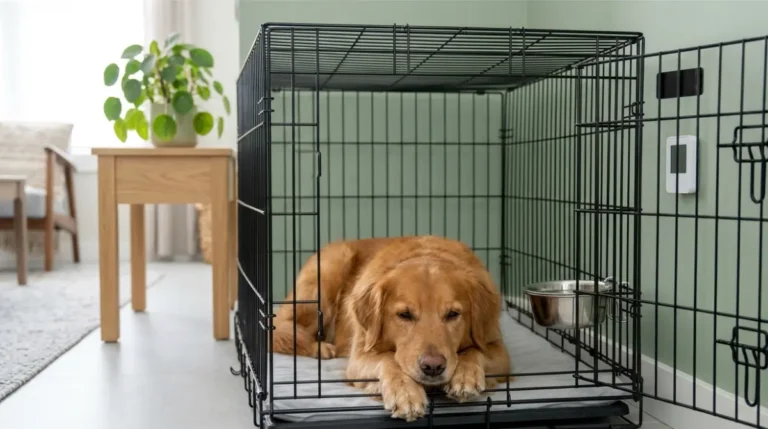 ByShivani Dubey
Last Updated:
Dog crate heat safety for summer days and AC setbacks: the 85°F rule licensed kennels must meet and the heat stress signs to watch.
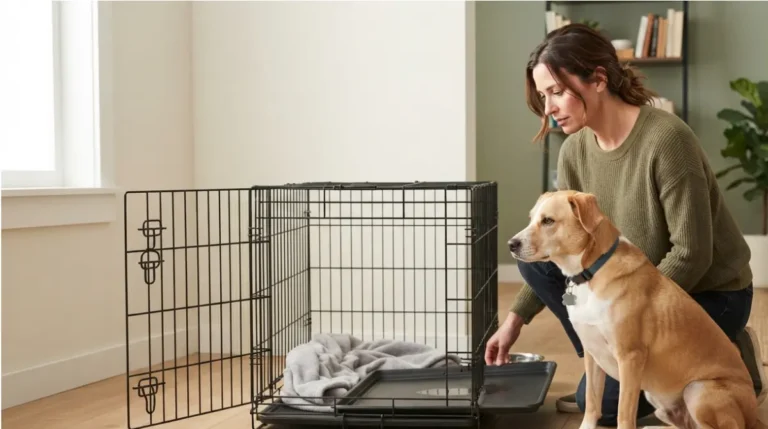 ByShivani Dubey
Last Updated:
Housetrained dog suddenly peeing in the crate? Book a vet visit first. For puppies, compare crate time with Penn Vet and ASPCA hold limits.
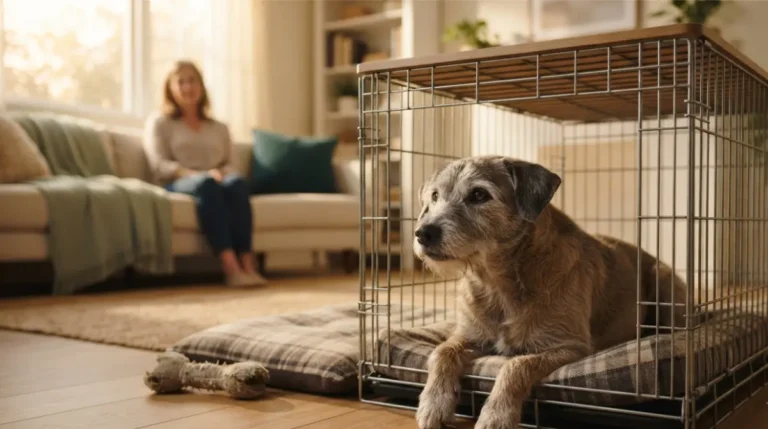 ByShivani Dubey
Last Updated:
New to the crate, or crated too long in a past home? An older dog starts with open-door meals, and the door opens only after 3 seconds of quiet.
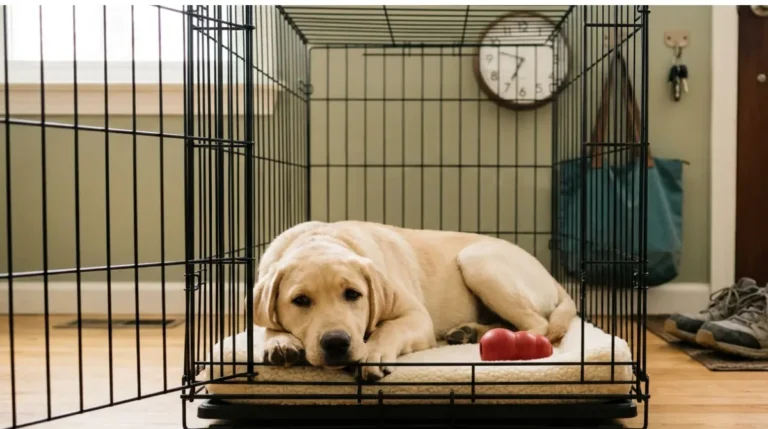 ByShivani Dubey
Last Updated:
Crate training while at work stops working past about four hours for a young puppy. Here’s the workday clock, coverage options, and what daycare costs.
 ByShivani Dubey
Last Updated:
A puppy’s first night in the crate runs on its bladder: at 8 weeks, plan two to three trips out across an 8-hour night.